20 Questions You Must Always ASK ABOUT Single Pod Coffee Before You Decide To Purchase It
The Benefits of Single Pod Coffee Makers Coffee pods not only save time and money, they also simplify the preparation process. Restaurants and cafes don't need to be concerned about roasting beans, the amount of water used or the temperature. All they have to do is turn on the machine and press a few buttons. 1. Convenience Pod coffee machines are programmed to run efficiently and quickly so that you can take a sip of your favorite coffee with minimal effort. You simply need to pop a pod into the machine, hit the button, and wait. The pod's unique design and barcode allow the machine to identify it and process its contents. This allows for better quality control and less contamination. This allows for more quality control and lower risk of contaminants. This makes the pod method a good choice for busy people looking to cut down on prep time in the morning. 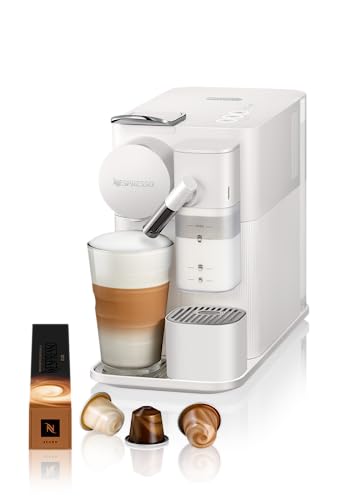 Despite the fact that some customers find the cost of a coffee machine with pods high they are less expensive than traditional filter-style machines and could save you money over time. Additionally you can save more by using the pod container that is reusable. This will keep the waste from being thrown into the landfills. Another benefit of a coffee pod machine is its small size and storage ease. Most models have an elegant and contemporary design that fits well on the counter top of your kitchen or can be easily tucked away. Many models come with additional accessories, like a milk frother for making delicious lattes and cappuccinos. Keurig used to be the only manufacturer of single-serve pods, but as soon as its patent expired, other brands have jumped in. Nestle's Nespresso, for instance, offers a variety of pod sizes and blends to meet different tastes. Some are even made with top-quality, freshly roasted espresso beans. These systems require minimal maintenance, and the reused filters make cleaning simple. 2. single serve coffee makers comparison can enjoy hot beverages in only two minutes with pods. There is no need to be concerned about beans, grind levels, water or milk, or even cleaning. Simply open the pod, place it in your machine and then press a button. Coffee pods are, unlike ground coffee, stay fresh in their airtight capsules until they are consumed. Companies like Keurig and Starbucks use a variety of strategies to keep their pods tasting fresh, such as topping them off with Nitrogen gas, putting them in special bags or putting them under a lid. You can still find old grounds in the pods despite the best efforts of manufacturers such as Keurig and Starbucks. Good news! The majority of pods come with the “best before” date on the packaging. This indicates when they begin to lose flavor or degrade. This is why it's important to keep your coffee pods well-stored. Keep them in a dark, cool space, away from light and heat. The freshness of your coffee pods will allow you to get the most value from them, thereby saving money and reducing waste. Another benefit of pods is that they can be reused, and a lot of brands offer refillable options for their customers. This is a great choice for those who prefer a single-serve brew, but don't wish to purchase an entirely new brewer to be able to use their own beans. 3. Variety With pods, you can find different brands, roasters, and flavors to pick from. It's easier than ever to try new flavors of coffee, and you can easily find the perfect blend for your personal taste preferences. Pods let you enjoy specialty coffee without the hassle of grinding, measuring and brewing it on your own. On the other the other hand, coffee pods sometimes cost more than ground coffee. However, if you think about the convenience of using a single-cup coffee maker and the amount of time you'll save from not having to grind and measure your own beans, they may be worth the extra expense. Besides, coffee pods are much simpler to use than filter paper. They can be dropped into the machine and press the button – there is there is no need to wash any leftover grounds. You can enjoy delicious coffee and not spend a lot of time. One drawback of pods of coffee is that they might not work with all types of machines. Go through the user manual for your coffee maker, and look out for compatibility symbols on pod packaging. Ask staff at well-equipped shops for assistance. You can also buy a reusable cup instead of the coffee pods, which are typically made of aluminium and plastic. You can also opt for soft coffee pods made of filter paper to reduce the amount of waste your beverage creates. These pods are also environmentally friendly and are suitable for composting. You can also purchase certified organic coffee pods. They are a great option for those who want to lessen the environmental impact. 4. Energy efficiency Pod coffee makers have grown in popularity, but their impact on the environment has been questioned due their single-use cups. Many of these pods aren't recyclable and they end up in landfills or polluted waterways, where they could release chemicals that disrupt the endocrine system and can harm wildlife and humans. Moreover, they require a significant amount of energy to heat the water and brew the coffee, leading to a high consumption of electricity. However filters that are standard can use as little as 650 watts to make the full cup of coffee and emit significantly less greenhouse gases than pods. Researchers conducted a Life-cycle Assessment (LCA) to assess the carbon footprints of various methods for making coffee. They evaluated GHG emissions using the Publicly Available Standard 2050 method. The study examined the production and consumption packaging, disposal and waste generated from an espresso cup made using each method. The study found that a traditional drip coffee yielded 48 grams of CO2 equivalent per cup, whereas a single-serve coffee only produced 33 grams CO2 equivalent. The difference primarily stemmed from the fact that a traditional filter coffee was made with fossil fuels for electricity, whereas a single-serve coffee maker was powered by renewable energy sources. To lessen the environmental impact, it's recommended to use coffee pods that aren't made with dairy or sugar. Also, select a coffee which can be made with a small amount of filtering water. It is also possible to lessen the impact on the environment by using pods or capsules that can be reused instead of disposables. 5. Health If you like to grind your own coffee in your personal machine it may seem a waste to buy capsules or pods that you will have to throw away after just one use. If you're the type who drinks coffee at a café or buys takeaway, the single-serve capsule or pod machine may be more cost-effective. Pods are usually made of aluminum and plastic, so they are not an ideal choice for those who are concerned about the environment. Senseo and Beaniac, for example make pods using plant-based materials. Even those who do not have packaging that is entirely biodegradable, they can reduce their environmental footprint by using paper instead of aluminum or plastic. The fact that coffee is ground and constantly exposed to dirt can also create a path for germs and contaminants to enter the mix, and possibly affect your health. Once sealed by the manufacturer, a single-serve coffee capsule has no such issue. If you're not certain if a pod or capsule pod maker is right for you, you should check the manual that was included with the coffee maker. It will let you know whether the machine is compatible with capsules or pods. A lot of manufacturers have logos or symbols on their packaging that show the types of machines their products work with. It's also a good idea to visit a well-equipped showroom that offers tasting sessions where you can try pods or capsules and experience how they work in practice.